
Track Rock Gap: Ancient Carvings in the Heart of North Georgia’s Mountains

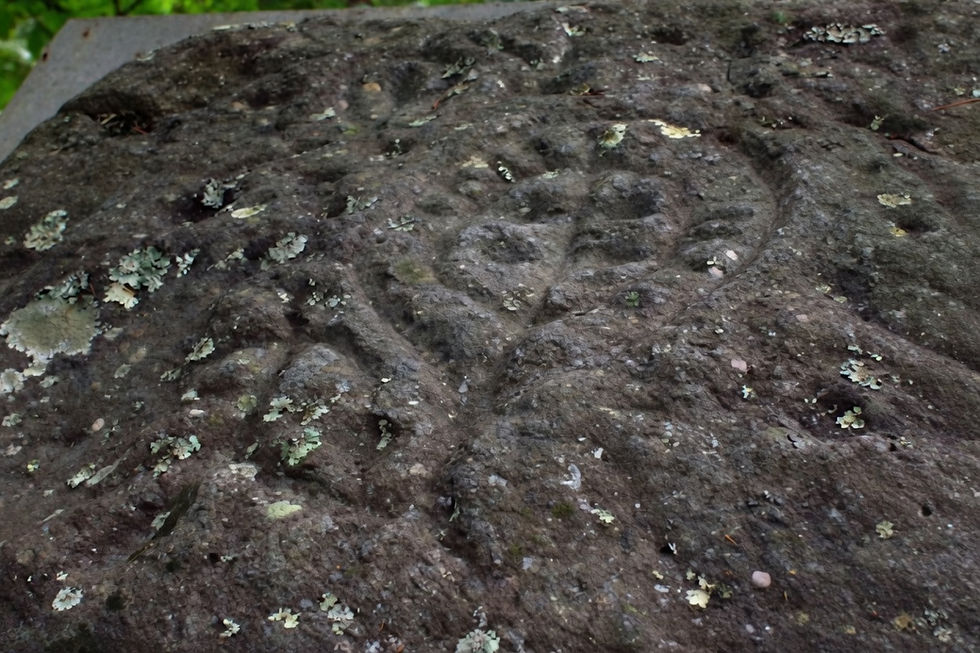
Nestled in the Blue Ridge Mountains of Union County, Georgia, near Blairsville and just below Brasstown Bald, lies the Track Rock Gap Archaeological Area. This 52-acre site in the Chattahoochee-Oconee National Forest holds one of the Southeast’s most significant collections of Native American petroglyphs—ancient rock carvings etched into large soapstone boulders.
The Rocks and Their Markings
The site features six prominent table-sized soapstone boulders covered with hundreds of symbols carved or pecked into their surfaces. These include animal and bird tracks, human footprints, crosses, circles, geometric figures, and other motifs. Some “deer tracks” have even been interpreted by researchers as possible vulva shapes.
The boulders sit in a natural mountain gap between Thunderstruck Mountain and Buzzard Roost Ridge, along an ancient Native American trade route. The soft yet durable soapstone made it ideal for both practical uses—like quarrying for bowls—and artistic expression. Carvings were created through pecking (repeated hammering with stones) or incising (rubbing with hard tools).
Evidence of human activity here dates back at least 3,600 years, with many visible petroglyphs likely made in the last 1,000 years or so, continuing into the period of Cherokee presence. The site shows repeated visits over centuries.
History and Cultural Significance
The Cherokee referred to the site as Datsu’nalasgun’ylu (“where there are tracks”) and Degayelun’ha (“the printed or branded place”). Ethnographer James Mooney recorded Cherokee stories explaining the markings: hunters carving them for amusement, animals driven through the gap during a great hunt, or tracks left by animals disembarking from a great canoe after a world-destroying flood when the earth was still soft.
Early written accounts date to 1834 by Dr. Matthew Stephenson, director of the U.S. Branch Mint in Dahlonega. In 1867, John Muir heard local descriptions of “bird tracks, bar tracks, hoss tracks, men tracks” in the solid rock “as if it had been mud.”
Archaeologists link the carvings primarily to Cherokee people, with possible contributions from Creek (Muskogee) and Catawba groups, reflecting the region’s overlapping Indigenous histories.
A Georgia Historical Marker at the site, erected in 1998, summarizes its importance.
Visiting Track Rock Today
The site is easily accessed via Trackrock Gap Road off U.S. 76, with a short trail from a gravel parking area. However, as of recent updates, the petroglyph area itself is temporarily closed due to vandalism that damaged some carvings around 2020–2021. The nearby Arkaquah Trail parking and trailhead remain open. Always check the U.S. Forest Service website for current status before planning a visit.
When open, the site offers a profound connection to the past—standing among the boulders, one can imagine generations of Native Americans pausing in this mountain pass to leave their marks.
Preservation and Mysteries
Modern threats like vandalism, acid rain, and weathering have faded some glyphs, underscoring the need for protection. The site is under consideration for the National Register of Historic Places.
While the exact meanings of the symbols remain unknown, they likely held spiritual, navigational, or storytelling significance. Track Rock Gap stands as a testament to the rich, enduring Native American heritage in the southern Appalachians—a place where stone still whispers stories from centuries past.
Whether you're a history buff, hiker, or seeker of ancient mysteries, Track Rock Gap remains one of North Georgia’s most compelling archaeological treasures. Respect the site, follow Leave No Trace principles, and support ongoing preservation efforts to ensure these rocks continue telling their stories for generations to come.


Comments